DIY Power Flow: Mini Split Load Test

Watch on YouTube →

📝 Description

Discount Coupon code ($50 off $500): SAVE50TGBATG Witness a captivating demonstration of power flow and load testing using a mini-split system. Learn about single-phase and split-phase power configurations, and see how an auto-transformer and inverter work together. This video is for educational purposes only; do not attempt this at home! #PowerFlow #LoadTesting #MiniSplit #ElectricalEngineering #DIY #HomeImprovement #Electronics #PowerSystems #Engineering #EducationalVideo

inverterdiy

📝 Video Transcript

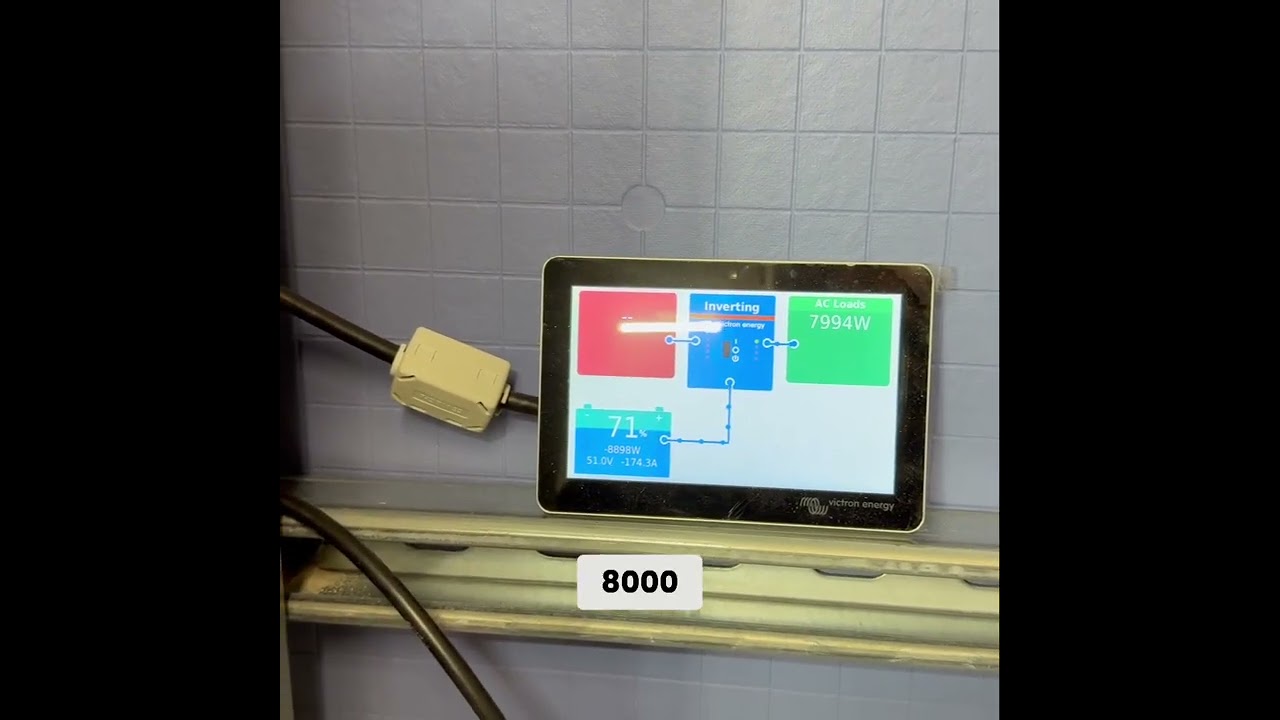
Anyways, the point is power goes in Anyways, the point is power goes in Anyways, the point is power goes in using this green cable and then 240 using this green cable and then 240 using this green cable and then 240 split phase comes out into this cable. split phase comes out into this cable. split phase comes out into this cable. All right, so just to recap real quick, All right, so just to recap real quick, All right, so just to recap real quick, 120 volt uh singlephase out going into 120 volt uh singlephase out going into 120 volt uh singlephase out going into here. Uh the auto transformer comes out here. Uh the auto transformer comes out here. Uh the auto transformer comes out of the auto transformer. 240 volt of the auto transformer. 240 volt of the auto transformer. 240 volt splitphase right here comes uh into this splitphase right here comes uh into this splitphase right here comes uh into this EG4 charge verter, which is a 240 volt EG4 charge verter, which is a 240 volt EG4 charge verter, which is a 240 volt splitphase charge verter. Technically, splitphase charge verter. Technically, splitphase charge verter. Technically, you can wire it for 120, but I have it you can wire it for 120, but I have it you can wire it for 120, but I have it wired using the original plug for 240 wired using the original plug for 240 wired using the original plug for 240 volt split phase. Um, and then this volt split phase. Um, and then this volt split phase. Um, and then this thing is taking the AC output going into thing is taking the AC output going into thing is taking the AC output going into here and taking DC charging these here and taking DC charging these here and taking DC charging these batteries, right? This is something I batteries, right? This is something I batteries, right? This is something I would highly recommend you not do. would highly recommend you not do. would highly recommend you not do. There's all kinds of issues with this There's all kinds of issues with this There's all kinds of issues with this mainly because uh we're going from, you mainly because uh we're going from, you mainly because uh we're going from, you know, DC in, converting it to AC, know, DC in, converting it to AC, know, DC in, converting it to AC, convert, stepping it up, making a split convert, stepping it up, making a split convert, stepping it up, making a split phase technically, uh, going into here, phase technically, uh, going into here, phase technically, uh, going into here, changing AC back to DC. So this is not changing AC back to DC. So this is not changing AC back to DC. So this is not something you should do. This is only something you should do. This is only something you should do. This is only for demonstration purposes.