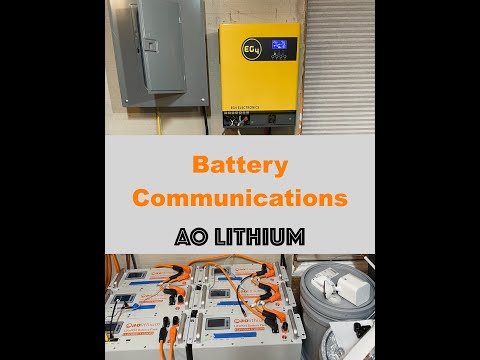
EG4 3kw all in one off grid inverter long term review | 3000EHV-48 | 80a charger | 5k MPPT
📦 Products Featured in This Video
EG4 Electronics
EG4 3kW Off-Grid Inverter 3000EHV-48
$674
This listing is no longer available at Signature Solar.
Browse Signature Solar →Affiliate link — we may earn a commission if you purchase through this link, at no extra cost to you.
Parts list for this build
Troubleshooting note from this video
Comparison that includes this video
📝 Description
Discount Coupon code ($50 off $500): GET50TGBATG
Inverter: https://signaturesolar.com/eg4-3kw-off-grid-inverter-3000ehv-48/?ref=bkpkbxde (no longer available at Signature Solar)
In this episode, we take a look at the all in one 3000 W inverter from EG4. This inverter is stackable. This is a off grid inverter supports up to 5000 watts of MPPT and can also function as an 80A charger. This is built for 48V batteries and is a great value at the price of $674 with parts and accessories included. The downside is the Wi-Fi Dongle system is not that great. But most people can overlook for the benefits provided by the inverter.
#energystorage #eg4 #offgrid #inverter #batterystorage
batterysolarinverteroff gridoff-grideg4mppt48vbms
🎬 Related Videos
📝 Video Transcript
Hey, what's going welcome back to the channel. On today's episode, we're going to be going over a long-term, not super long-term, but a midterm review of this EG4 3000 watt offgrid inverter. Okay, so we've had this inverter for a few months. Uh we've been using it in in a different setting, all kinds of different ways.
It's actually been a lifesaver in certain situations. Uh and we have it reposted here for purpose of this video and also we've been uh doing other stuff with it. And right now, it's actually been running the mini split for a few days. So, uh, if you're interested in that and how long it stands up or do we regret the purchase of it, you know, then that video is what you really want to stay tuned for.
So, stick with us. All right, you guys. So, this right here is the EG4 3000 watt offgrid inverter. I think some people refer to it as a 3000 E uh HV-48 or something like that.
But the key points to take away from this are going to be these specs. It's a singlephase inverter. It can output 3,000 watts of pure sine wave. It has PV input uh that it can take uh 5,000 watts of PV input uh at 500 VOCC voltage open circuit.
So maximum uh array size. Okay. It can also charge batteries uh at 80 amps. Okay.
So that's pretty much all you really need to know about this. The other thing you may want to know is that you can stack these. What I mean by that is you can get multiple ones of these, connect them all up, right? Either in parallel or series parallel, all kinds of things to get either uh 120, right?
Just a lot of 120 or just like 240, right? But if you do stack them uh to get 240, you need to do it in pairs, right? So you need two for 240. And if you want to add more capacity of that 240, you need to add two more, right?
So that's pretty much all the specs of the inverter that you really need to know. Uh, obviously this thing is, you know, made by EG Ford and distributed by them. Uh, the other thing that you probably really want to know, and if you don't know this already, is that this inverter, I think, is actually a really good deal, mainly because, uh, for everything we just said, uh, the inverter comes with these cables, which are, you know, uh, cables that you need to purchase separately, in case you didn't do that, right? It also comes with the breaker, communications cable, and pretty much everything you need to get going.
Uh, besides the batteries, right, and the solar panels in case you needed that, right? So, uh, for $675 for all of this is actually a really great deal. So, uh, without jibber jabbering too much longer, let's go take a look at it. All right, so this is obviously the unit here made by EG4.
Let's start at the top. First of all, it's got two keyhole screws at the top for mounting, which is actually really nice. And if you don't know what I mean by keyhole screws, it means the bottom part is a big circle and then the top part like tapers off so that you can put the uh screws in the wall and then put the inverter through the screws, you know, the mounting those two screws and then put it down, right? It's much easier to mount that way instead of having to hold it up and then, you know, put the screws through to mount it, you know, especially if you're doing a oneperson job or something like that.
Actually makes it significantly easier. The bottom part has one screw to here to hold it in here at the bottom and it is not a keyhole design. Okay. Also, uh, looking at the top part here, you can see the screen.
It's got some stuff here. This says input voltage here. I have mine not connected to the grid for any reason. I'm just strictly using this off- grid, output voltage, load, battery communications, all that stuff here.
You got alarm and stuff. I turned off the beep on mine, which is pretty much what that means. So, uh, you know, some people don't recommend you do that, but it's up to you. Okay, let's talk about the air flow of this.
Right. So, the air flow, actually, it's got two fans. It's got air intake on the left side and air intake on the right side here. Uh, it's got filters and grills, right, to filter the air out.
If you're in a dusty place, you're going to have to obviously clean those filters out. Uh, but it goes in through the sides at the top and then it flows out and gets pushed out through the bottom using these two fans here. Okay. Uh, it's got RJ45 connectors here, which are kind of more for like stacking communications if you wanted to do that.
I did not stack mine. All right. So, let's talk about the connections right here. Okay.
And I'm using my left hand so I know pointing. It's going to be a little bit funny. All right. So, this right here is where the AC input is.
There's a ground, hot, and neutral right here. Um, I have it connected, but I don't have the cable plugged into anything or whatnot. Uh, I did have it connected for for when I was using it as a charger, but it does not come with this cable. Just know that that's where it would connect.
Okay, these two right here are uh AC output. Uh, so this is obviously hot, neutral, and then a ground right here. my ground. I actually have tied off to the screw on the bottom of the inverter here because that's what the manual said to do.
But if you were to take a continuity tester and test the ground between the the uh screw at the bottom here and then this ground here, they're connected. So, you technically could put here, but I'm not telling you to do so. I'm just saying technically you could, but the instructions said put it down here. So, you know, that's what I did.
All right. So, uh these two right here, these two terminals here are for uh PV input. Um, so I actually don't have PV connected to this right now because my PV array is connected to the 6000XP over there. And like I said earlier, this is normally not where this inverter is, and this is not its normal purpose, at least what I use it for.
Uh, but I did put it here for this video. Okay, so it's got two cables that it comes with here. This cable here and this cable here, positive and negative. We'll go look at the bottom, but you pretty much stick it through there and you put the screwdriver through these holes and then tighten them down.
All right. So, for the bottom part of the inverter, as you can see here, I have a positive, negative coming out here. It's pretty straightforward, easily, uh, labeled, right? Can't get it wrong.
There's a power button here. There's a dry contact button, uh, port there, RS485, and then another communications port uh, to the left of it there. It's got a breaker just in case you did trip the breaker. And that right there is where the ground is tied up, at least on mine.
All right. Like I said, I'm not telling you to do that. That's just pretty much how I have mine set up right now for this video. Uh, but that's pretty much how that really works.
All right, so these two cables that it comes with, uh, I have it tied off and I have mine going to this breaker. This nater, uh, breaker does come with the, uh, inverter when you buy it. Okay. Uh, the port that you can also use to connect communications, which the Wi-Fi dongle comes with, you can connect up here.
I did not do that because I really have no reason to connect this thing to the Wi-Fi dongle. And I've heard a lot of people really have a lot of issues with that and I just did not want to struggle with that for something I didn't really need. Okay, so this breaker, it does come with this breaker. It does not come with this uh breaker box.
All right, so this box is usually here. Uh it's just left over from when I had the 6500 up here, but you know, I have it running through this breaker. And right now, um I know the cable management here is not that great, but like I said, this is just temporary. And mine actually technically goes and connects this AO lithium uh battery pack.
All right. Yes, I know this is not the same brand as the EG4 life power stuff, but I have all my other life power stuff connected to the uh 6500 here. So, you know, we're just going to be using this. All right.
So, uh mine's actually connected here through this CAN 485A port. Uh the way you do that, there's already a dedicated video on how to do that, but you got to use uh dip switch number six. put it up, use the cable that comes with the inverter, connect it, and then you'll be good to go. All right.
So, as you can see on mine, uh mine is actually connected, and uh the communications work. So, it tells you pretty much how it really comes with or how to set up the the communications. And like I mentioned already, uh there is a dedicated video on that. All right.
So, mine right now I actually have going out and feeding uh this uh not a S strip, but power strip. And then this is actually connected to the mini split that I have. It's a 12,000 uh BTU minit. And I have it running through a uh power inlet generator switch type box.
Um it's a easy generator switch. You can kind of get off the internet. It's mainly only for 120 uh volt uh mini split systems or [clears throat] actually technically any circuit. But mine I've been running this way.
And if you look at it here, right, you can tell my battery is pretty much good to go. It's pretty full there. uh if you cycle through any of the uh options or or screen displays on here, you know, right now the battery voltage is fluctuating between 52.7 2.8 and then right now this inverter is putting out roughly about 20% 20 to 25% of its capacity. Okay.
Uh the load in VA is fluctuating between 600 to 750, right? Uh right now it's pulling if you want to know what it was about 700 anywhere between 5 to 600 watts. Okay, it's a inverter mini split type deal. So, it's it's pretty interesting.
And it's pulling roughly about uh 10 amps from the battery, right? There's other settings and stuff you can go through, but you know, all that stuff is in the manual. All right. One thing I will say about the manual is that uh unlike other uh manuals that I've seen so far, let's talk [clears throat] about the 6500 that used to be here.
Uh this manual actually is useful and it does explain stuff pretty well. Uh so, there's all kinds of settings and stuff you could set and it works there. Uh there is a cover that goes here. Um I did not put the cover on right now mainly because uh maybe in a couple days I'll probably take this back down and put the other inverter here that used to be here.
But you know I can tell you a little bit about that. Right. So, the point to take away from this video is that this inverter comes with uh the communications cable, Wi-Fi dongle, this uh power cable, this breaker, and pretty much everything else you need to get started except for the batteries. And the solar panels for about $675.
This can put out 30,000 watts of pure sine wave take input of up to 100 uh was it 5,000 PV input, right? At 500 uh voltage. And then it can charge your batteries using this grid charger thing plus uh utility and PV charge. Max charge uh capacity for this uh system to batteries is about 80 amps.
All right. And this is a 48vt inverter. So make sure you note of that before you go ahead and you know purchase it. So that's a pretty much quick overview of this inverter and maybe a little longer than I had expected but the point is I bought it a long time ago with our own monies.
um they did not send it to us or any of that. Actually, technically they did because we sent them monies, right? But that's a different story. Uh but anyways, point is we bought it.
And do we regret buying this? Not really. Uh like I said, for the price, it's actually really good. And my usage of this has been um on a what I would call like a portable power station type usage.
I had this connected to a 48vt, you know, like golf cart battery from uh EG4, like a life power battery uh in their golf cart waterproof battery type thing. And actually been really useful, right? We've actually been able to put it in places and use it uh to you know high high amperage high power demanding applications and it's been great. All right.
Also during power outages we were actually able to just roll it over to our Nemo's house and then uh that worked out really well. Right. Five uh kilowatt hour battery helped their refrigerator go for a good amount of time. All right.
So, uh, like I said, it's got a use case or something for it, and I think a lot of people will actually be really happy with this. Mainly because, like I said, 675 bucks for all of that. Great deal. Okay.
So, now let me tell you a little bit about the journey we went through um in order to, you know, our our, you know, our general journey overall, right? So, first, uh, the first inverter that we mainstream brought bought, right, was the, uh, EG4 6500 EX. And that's what actually used to be right here. Okay, that was here.
Uh, this breaker box was already here. Uh, this panel was uh was here and we had plans to get another 6500 and put it um or connect [clears throat] them up in series to pretty much get 240. Uh, and that one was going to go there, but you know, somewhere around that time uh EG4 launched the uh 6000 XP and you know, we just said screw that, we're just going to go with the one, right? So, the 6500 that I had here was actually really nice.
Um, I I know a lot of people had problems with it, but personally, I didn't have problems with it. Uh we ran the basement lights uh down here, the garage lights. Uh we actually ran the mini split for a little bit. Um and we had no problems.
It worked actually perfectly fine, right? And then this came out and then we said, you know, this would actually be good for us to use um in a portable power station type deal, right? So a lot of people have like these portable power stations that are like, you know, EcoFlows, Blue Eddies, whatever whatever company makes them nowadays. Um that that are good, right?
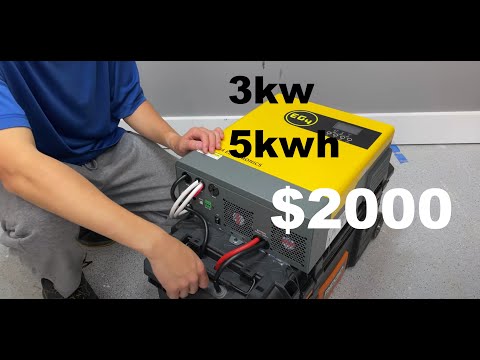
some of them seem to be good and then but you know limitations on let's say the Delta or Delta 2 or whatnot they're usually like 2 kilowatt hour batteries or 1 kilowatt hour battery or 1,800 uh peak output and stuff like that whereas this is 3,000 watts of peak output okay so I already have a video on how to make a portable ultimate you know uh portable power station using this and other batteries so go ahead and check that out but you know we said this is actually really good and if you were going to buy something I would say I would definitely spend the um on something like this that you could build portable yourself and not like an off-the-shelf product if you're serious, right? If you're not that serious about doing that and you just need something ease of use, portability and all that kind of fun stuff and the app or whatever, just go get the EcoFlow or the Blue Eddie or whatever Jackary or whatever companies that make, you know, these reliable ones nowadays, right? But if you want serious power or you're more serious about it and you want to get more value out of it, I would say go out and build something like this because you know, let's just say this is $675 plus if you get like a really good server rack battery. Even this uh aolith lithium server recre for, you know, $1,000.
For under like $2,000 there, you could get a 3000 watt output pure sinewave inverter with uh it's it's an offgrid inverter with solar charger and all of that with a 5 kilowh hour battery for under $2,000. Okay. So, even if he got the Delta 2 Max, I think, which is I think it's like a 2 kilowatt uh uh uh battery inside and it's additional battery, like one additional battery, that's 4 kilowatt hour battery, it would probably cost more than what I just said. And then it would have less capacity than this, right?
So, just keep that in mind. Uh so, do I regret buying this? Most definitely not. Uh would I go out and buy this again?
Personally, no, because we've already got other systems like like I said, the 6000 XP and other stuff like that. But if you're in the market, I could definitely recommend this. It's definitely served us well. Um, it's always going to have its place, but you know, uh, right now for like whole house needs or higher demand needs, I would get something like the 18K or the 6000 XP.
So, hope this video helped you guys out. Um, if you have any questions, let us know. Have a great day. Otherwise, we'll see you guys next time.